How to Choose the Right Quad Biking Dubai Experience
Choosing quad biking dubai starts with knowing what kind of ride you want. The desert can feel open and simple from a distance, but the experience changes with the route, the bike, the timing and the level of guidance. A good choice is not always the fastest option or the longest one. It is the one that matches your confidence, your group and the way you want to spend time outdoors.
Think of the decision as a short sequence. Work through each step in order, and pay attention to what matters at each stage. That keeps the choice practical and avoids surprises on the day.
Start with the rider, not the bike
Be honest about who will be riding. Quad bikes are not all the same to handle, and a rider who is comfortable on a quiet trail may feel stretched on loose sand or faster sections. Consider age, height, balance, confidence and any past experience with similar vehicles. If children or first time riders are part of the group, look for an option with clear supervision and a route that is not built around speed.
Watch for mismatch. A powerful bike can be exciting, but it can also make control harder for someone still learning how weight shifts on sand. A smaller engine may feel calmer and easier to manage, especially on turns and uneven ground. The aim is to finish the ride feeling keen to go again, not shaken by a machine that was too much to handle.
Groups often include mixed abilities. In that case, choose an experience that can keep everyone together without pushing slower riders beyond their limit. Ask how the pace is managed and whether stops are built in. If the answer is vague, treat that as a sign to look elsewhere.
Decide what kind of terrain you want
Desert riding can range from gentle tracks to rolling sand dune terrain. The right choice depends on how much movement you want and how steady you like to feel. Flatter routes suit riders who want to learn the basics, take photos and enjoy the open landscape. More varied terrain adds challenge, but it also calls for better control and more attention.
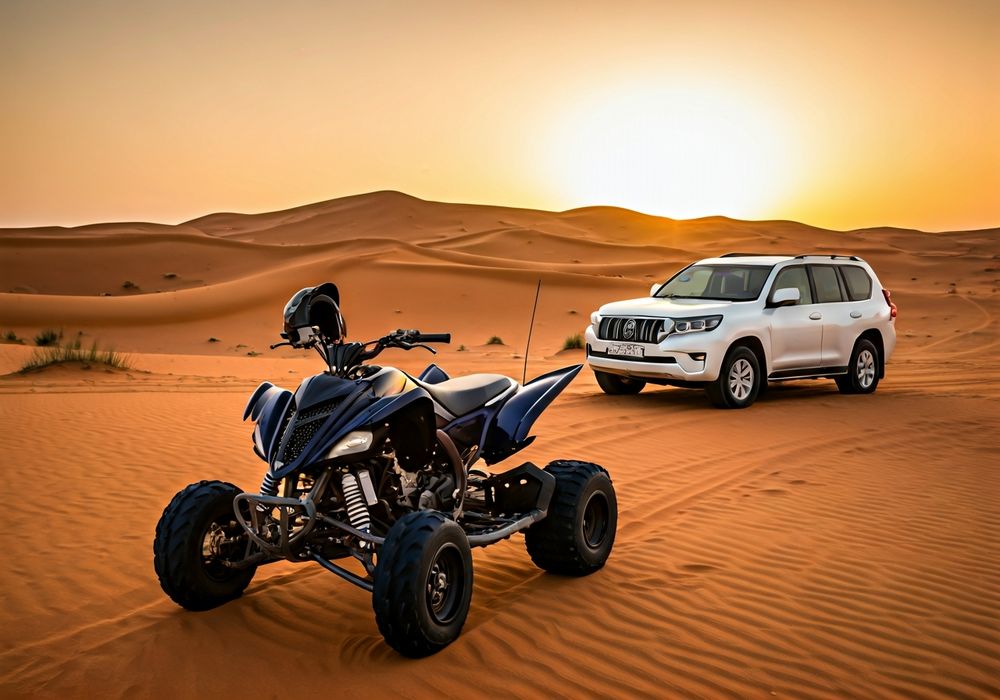
Ask what the route is like in plain terms. Useful questions include whether it follows marked tracks, how much open sand is involved, and whether there are steep slopes or tight turns. A route description should help you picture the ride before you commit. If all you hear are broad promises about adventure, ask for more detail.
Weather affects terrain too. Sand can feel different after wind or heat, and visibility can change during the day. A morning ride may feel cooler and calmer, while later slots can bring a different mood and softer surfaces. When comparing options, think about the time of day as part of the terrain, not as a separate detail.
Check the safety setup before anything else
Safety is not a small print detail. A responsible setup makes the ride easier to enjoy because the rider knows what to expect. Look for a proper safety briefing before the ride, with clear instructions on posture, steering, braking, hand signals and what to do if the group stops. The briefing should be easy to follow for beginners and useful enough for experienced riders.
Protective gear matters as well. A helmet should fit properly, sit level and stay secure without pressing painfully. Gloves can improve grip and reduce rubbing, while closed footwear is more sensible than sandals. Loose scarves, dangling accessories and anything that can catch on controls should be avoided.
Pay attention to the condition of the bike in visible areas. Tyres, handlebars, footrests and controls should look sound and clean enough to use with confidence. You are not expected to inspect mechanical parts, but you can notice obvious problems. If something looks damaged or neglected, ask about it before the ride begins. cameldesertsafaridubai.com is one name readers may come across while comparing desert options, but the same checks apply wherever you look.
Match the bike size to the rider
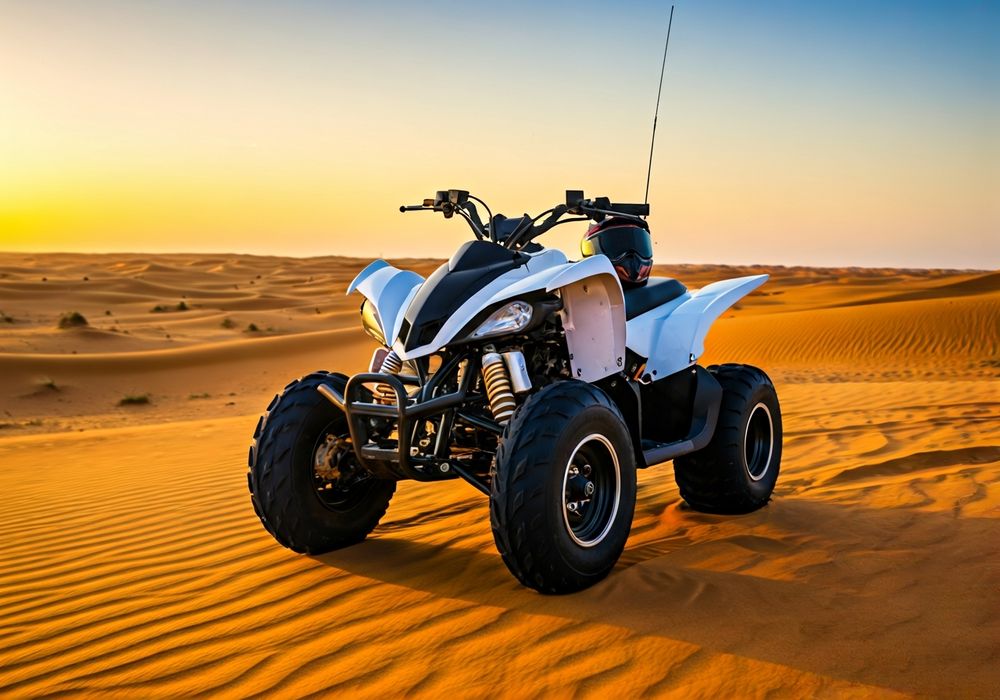
Engine size is often treated as the main measure of a good ride, but it is only one part of the choice. A quad bike engine with more power can climb and accelerate with less effort, yet it can also react more sharply. For a beginner, predictable response is more useful than raw strength. For a rider with experience, a stronger bike may feel more rewarding if the route has open stretches and deeper sand.
Body size matters too. The rider should be able to reach the handlebars comfortably, place feet securely and shift weight without feeling cramped. Sitting on the bike before the ride can reveal a lot. If the seating position feels awkward from the start, that discomfort will grow once the terrain becomes uneven.
Ask whether the vehicle is automatic or manual, and what kind of control layout it uses. Automatic options are often simpler for beginners because they reduce the number of tasks to manage. Manual options may appeal to riders who enjoy more involvement, but they demand smoother timing and more attention.
Look closely at supervision and group size
The route may look straightforward on paper, but the quality of guidance changes the experience. A good lead rider sets a steady pace, points out difficult ground and gives clear signals. A rear rider can help ensure nobody is left behind. This matters more when the group includes new riders or when the route moves beyond flat ground.
Group size affects comfort. A smaller group usually feels less rushed and easier to manage. A larger group may have a lively atmosphere, but it can also mean longer pauses, uneven pacing and less individual attention. Think about whether you want a social outing or a quieter ride with space to take in the desert.
Ask what happens if someone struggles mid ride. A clear plan should exist for slow riders, minor stops and changes in conditions. The answer does not need to be elaborate, but it should sound organised. Avoid options where the only response seems to be to push ahead and let the group sort itself out.
Understand the route, timing and pace
A ride that sounds short can feel full if it includes stops, photo points and a relaxed pace. A longer ride can feel tiring if the terrain is rough or the pace is quick. Compare options by what the rider actually does, not by a single headline duration.
Find out whether the route includes an ATV trail style section, open desert, or a return along the same path. A loop tends to feel more varied, while an out and back route can be easier to judge. If the plan includes a desert camp stop, check whether that happens during the ride or after it, so you know what the timing really means.
Pace is a matter of fit. Riders who want a calm introduction should look for a route with room to pause and ask questions. Riders who want a more active session should look for longer stretches and fewer interruptions. Neither choice is better in general. The right one depends on what you expect from the day.
Compare inclusions without guessing
When looking at different options, compare what is included in plain language. helmet availability, guide support, route length, group size and any additional stop can all affect the value of the experience. Keep the comparison simple and write down the points that matter to you. This prevents a decision based only on the most dramatic wording.
Be wary of vague terms. Words like premium, extreme or full experience mean little unless they are tied to something specific. Ask what the rider receives and how the session is structured. If a detail is not clear before booking, it is likely to be less clear on the day.
Also check practical points such as arrival time, meeting arrangements and what to wear. These details shape the day even though they are easy to overlook. A little preparation helps the ride feel smoother from the moment you arrive.
Read the fine print calmly
Before confirming anything, read the terms with care. Look for age rules, identification requirements, cancellation conditions and any rider responsibility notes. These are not just formalities. They tell you how the experience is managed and where the boundaries sit.
If a rule seems unclear, ask for a direct explanation. A clear answer should be easy to repeat back in simple words. If you are told one thing casually and another thing in writing, rely on the written version or step back.
Some riders focus only on the exciting parts and skip this stage. That is a mistake. The fine print can determine whether a mixed group can join, whether a beginner is accepted, and what happens if weather changes the plan.
Make the final choice with a simple test
By this point, reduce the decision to three questions. Does the route match the rider's ability? Does the safety setup feel clear and organised? Does the pace fit the kind of day you want? If all three answers feel right, the option is likely a good fit. If one answer is weak, do not ignore it because the rest sounds appealing.
Quad biking dubai is best chosen with clear judgment rather than impulse. The desert rewards riders who are prepared, comfortable and realistic about their skill level. When the bike, route and guidance work together, the ride feels controlled and memorable for the right reasons.
Take your time, ask direct questions and compare like with like. A well chosen ride is not about chasing the biggest machine or the boldest description. It is about finding an experience where every rider can feel steady, attentive and glad to be out in the desert.